
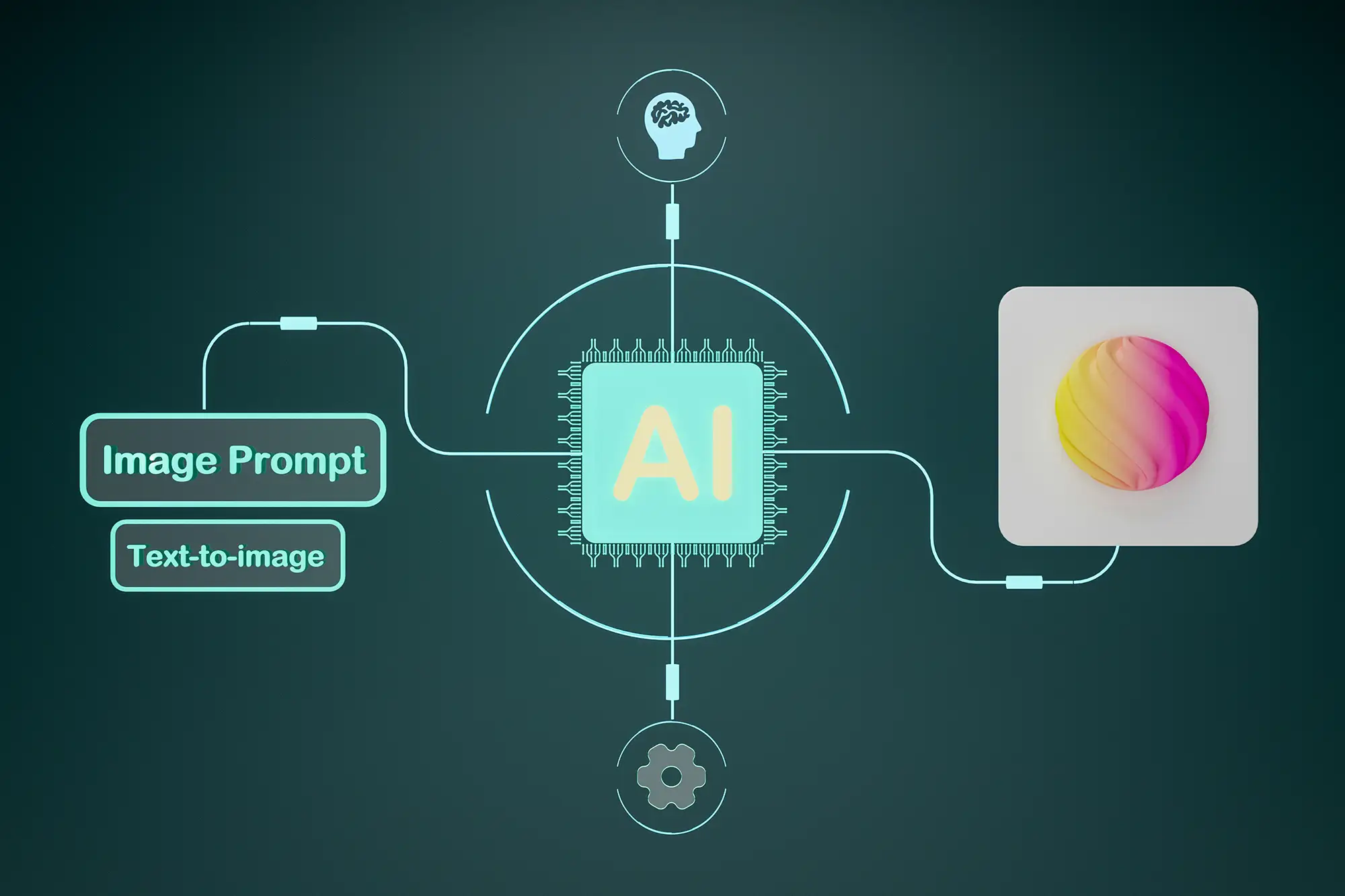
“No one will be able to tell that AI made this graphic.”
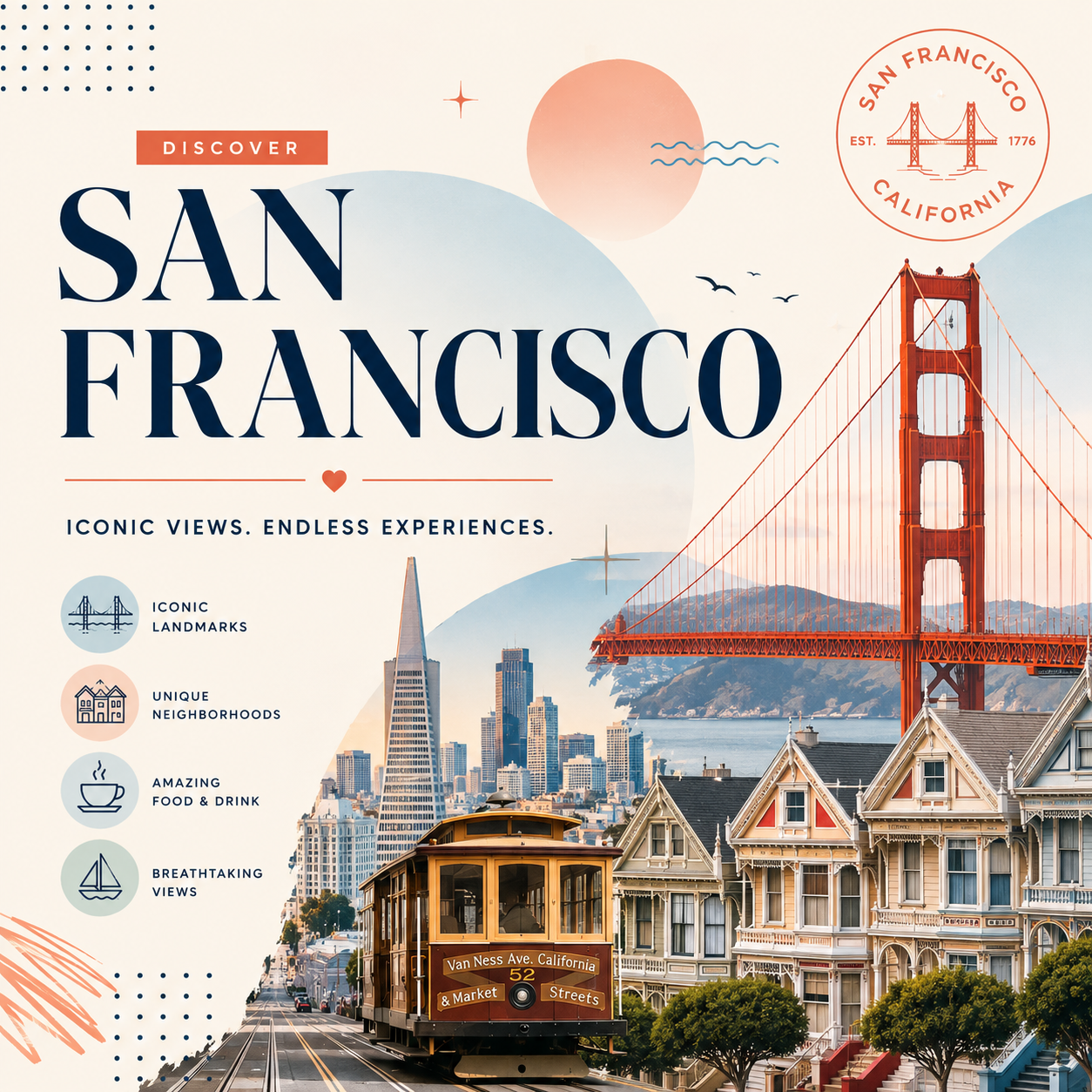
Meanwhile, the graphic:
It’s easy to see why brands keep reaching for it. Need a carousel posted in the next 15 minutes? Type a simple prompt, and you have multiple options at your fingertips. No waiting on a designer, no cost, and no learning curve on a new designer platform.
Yes, an afternoon is saved. But at what cost? The tradeoff is evident in how much audiences trust the brand afterward.
A recent Harris Poll found that a large majority of consumers say AI graphics feel less authentic, and 63% are less likely to bring business to a brand if they suspect their advertisements are AI-made. What was once a convenience outlet is starting to look like a revenue problem.
This process now even has a name: AI slop. Once a customer sees it in one graphic, they start looking for it across all their content, including posts that were not AI-generated at all. My point: trust doesn’t come back at the same speed it left.
While the most obvious tells are mostly gone (anatomical weirdness, factual errors, aesthetic dullness), here’s what still screams “ChatGPT made this graphic”:
- Overly-Perfect People. Everyone’s posed up, and no one looks caught off guard. Real photos have candid, imperfect moments. AI, however, defaults to an uber-flattering photo because it isn’t programmed to trigger something real.
- Overused Doodles. AI loves to add sparkles, hearts, and strokes across graphics. A human designer adds an element with intent. AI adds it to fill space.
- Awkward Tone. Captions that feel overly enthusiastic or exaggerated come across as AI-generated. Similarly, generic inspirational messaging that could apply to any brand or industry is an immediate giveaway.
- Background Details. AI puts most of its attention on the main subject, making the background one of the easiest places to spot mistakes. These subtle imperfections often go unnoticed at first glance, but they’re one of the clearest signs AI-generated an image.
Once you start noticing how the algorithm works, the pattern becomes hard to unsee. Suddenly, many of the brands taking over your feed start to look suspiciously similar.
And it’s not just graphics that are AI-generated. Many brands have moved further than generating graphics and have started generating entire campaigns, and even people. Guess featured a fully AI-generated model in Vogue’s 2025 issue. Once readers noticed, a TikTok calling it out pulled in over 2.7 million views, more than the ad itself ever got.
Although the AI wasn’t the story Guess wanted to tell, it became the only story anyone wanted to talk about. And the same pattern continues to repeat as brands lean on AI to save time or cut costs, because the audience continues to be focused on the AI rather than the product itself.
That’s the actual risk, not that AI-generated content looks bad, but it’s starting to work against the very thing marketing is supposed to build: trust. A graphic can be polished and on-brand, yet still cost the company more than it saves them the moment someone spots what made it.