
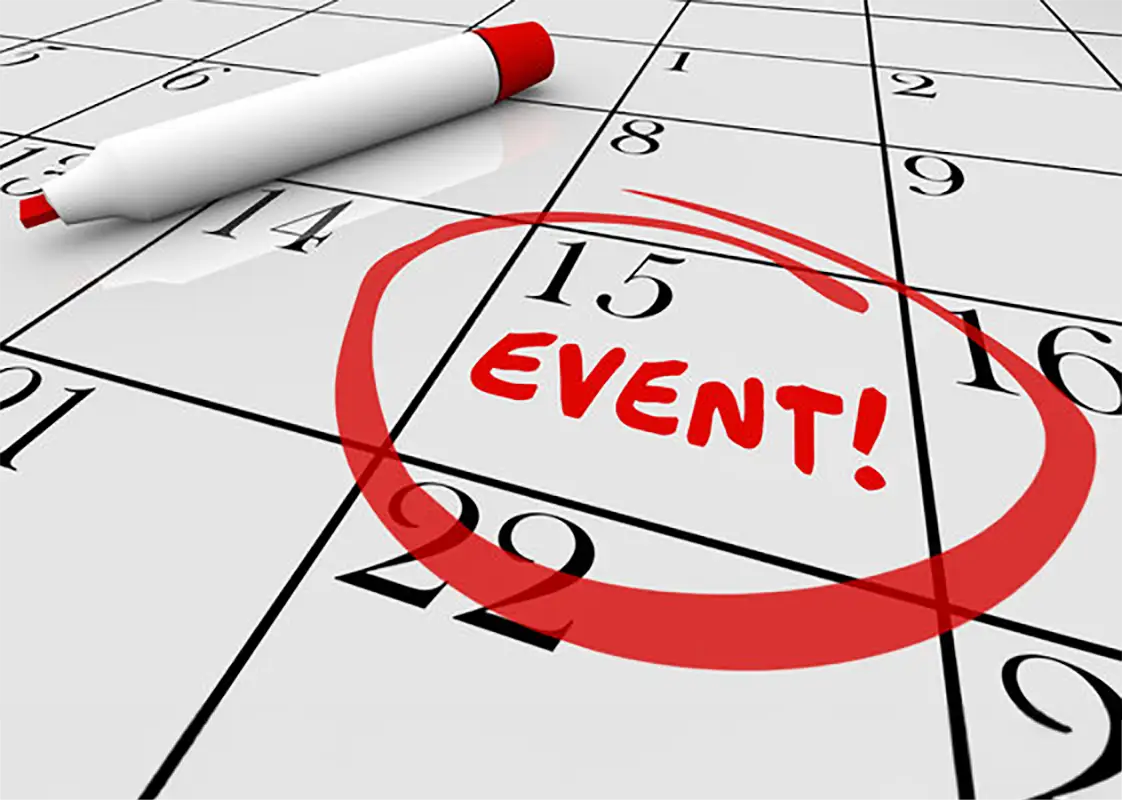
Despite the excitement of hosting your own event, it can be an overwhelming process to plan—even if you are an experienced planner, every event is different and brings new challenges.
To avoid one of the biggest pitfalls of event planning, the tendency to rush through, here are the top 5 things to consider before planning your next event.
Do you have a plan (and a backup plan)?
Having a well-thought-out plan and doing it early is the basis of any successful event. But there is no need to stress over every detail just yet; your plan at this stage should be more of an overview than a full-blown itinerary. Think of your plan as a roadmap. It can include the basics like:
- Goals and objectives
- Tentative event date
- Possible venue or location
- Estimated budget
Emphasize having a plan AND a backup plan here because no matter how early you prepare, you will encounter a few bumps in the road. So make sure you note a few alternative options while you’re planning in case something falls through once you start planning.
Pro Tip: Once your plan is set, create timelines and benchmarks for different tasks to ensure you are on track and complete all your to-dos.
Have you allocated enough time to prepare?
There is no such thing as starting too early in event planning. Even if an event is still in the brainstorming phase and nowhere near fruition, take the time to jot down your potential ideals. This way, when the event is finally a go and you’re juggling a dozen tasks at once, you’ll have your initial thoughts to reference.
Then, backtracking from the target event date will help you determine how many weeks or months you will need to prepare. And if you don’t have a set date yet, erroring on the side of precaution and giving yourself more time to plan is always a safe bet.
Who should you invite?
Identifying your target attendees during the early planning process helps ensure that the event is relevant and engaging to them. The target can be anyone from influencers, potential customers, or media.
You can also look to other possible attendees like current customers, stakeholders, team members, friends, and even family. Creating a diverse and engaging guest list will ensure the event is well-attended.
Are there any potential promotion and partnership opportunities?
Social media is one of the best ways, if not the best way, to promote your event nowadays. Ahead of the event, you can create an event page, use relative hashtags, post a countdown to the event on your story, and even share the event invitation for your followers to attend.
Partnership-wise, the local Chamber of Commerce is an excellent resource for potential invitees and receiving event promotion. You can also look to local restaurants that may be interested in providing food at your event or businesses that could contribute items to a goodie bag or host an event activity. Establishing these relationships within the community can be highly beneficial to get your company’s name out there and help prepare for future events.
What could I already be forgetting?
Once an event planning is full steam ahead, you will likely have little time to think about the more minor logistics. If your event is at a home, where is everyone going to park, or if your event starts at noon, are you going to provide lunch? The tiny details often get lost in the mindset of event planning, so it’s crucial to keep track of the basics early on. The easiest way to do this is to note something down as soon as you think of it to reference later on. Especially because once these smaller logistics become an afterthought, it can impact the seamlessness of the event.
Planning an event can be overwhelming, but it will be all worth it if you execute it successfully. Need help organizing your next event? Reach us at info@segalcommunications.com.